Home>Christian Resources>Overview of the National Reform Association (NRA)

Christian Resources
Overview of the National Reform Association (NRA)
Published: February 5, 2024
Explore the National Reform Association's history, its mission to infuse Christian values in society, and how it's adapted to changing times.
(Many of the links in this article redirect to a specific reviewed product. Your purchase of these products through affiliate links helps to generate commission for Christian.net, at no extra cost. Learn more)
Table of Contents
The National Reform Association (NRA) stands as a beacon of Christian principles, tirelessly working to infuse these Christian values into the fabric of American society. Since its inception in the mid-19th century, the NRA has embarked on a mission to shape the nation’s moral and ethical landscape, navigating through the tides of change with unwavering commitment. This article delves into the historical tapestry of the NRA, uncovering its origins, pivotal figures, and the evolutionary path of its goals amidst societal transformations.
The Genesis of a Movement
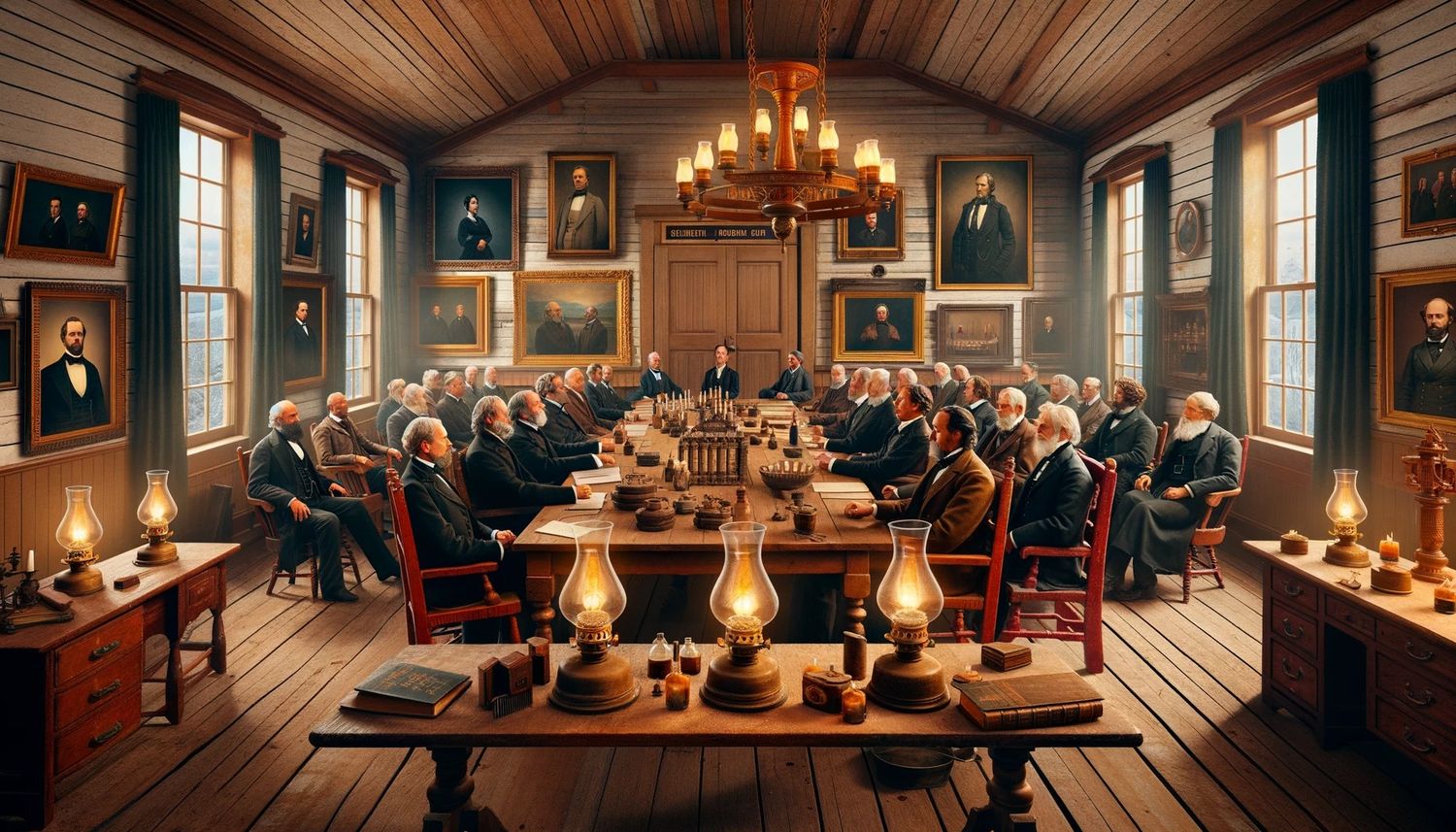
The founding of the NRA traces back to a time when America was grappling with moral and societal challenges. A group of devout Christians, alarmed by the erosion of moral values and the separation of church and state growing wider, convened to establish an organization that would champion Christian ethics in public life. Their vision was clear: to see America’s laws and policies reflect biblical principles, thereby strengthening the moral foundation of the nation.
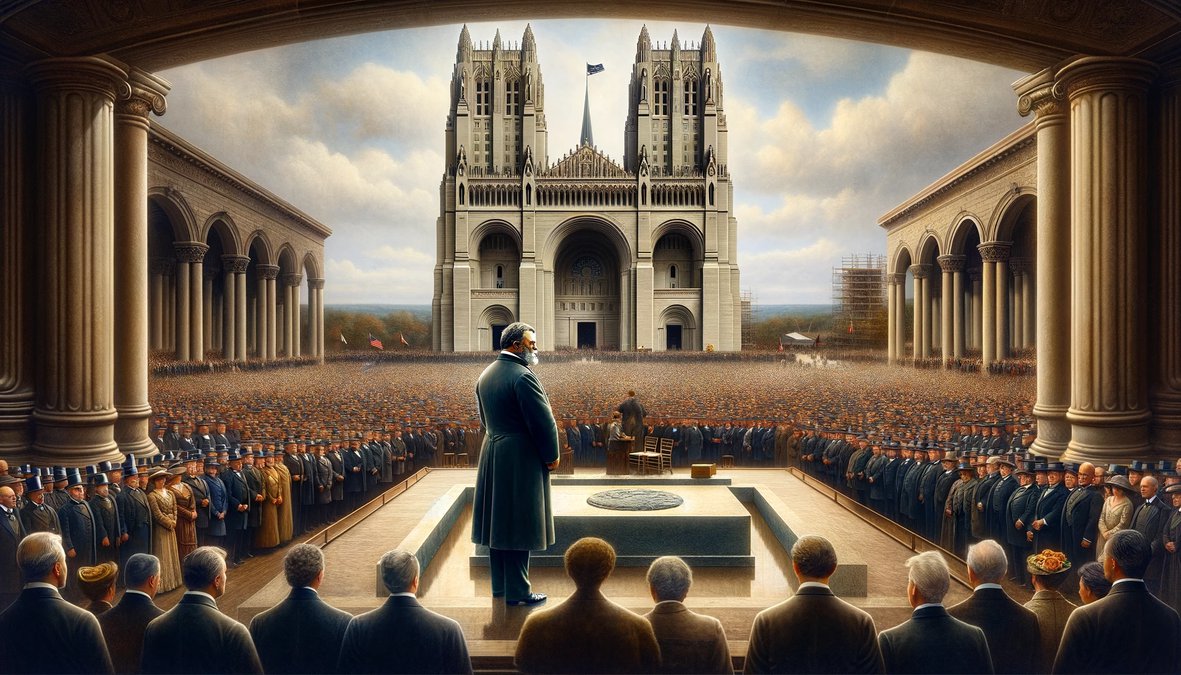
Read more: What Faith Is The National Cathedral
Pillars of Faith and Governance
Central to the NRA’s mission are its foundational principles, deeply rooted in the core teachings of Jesus, which have steered its actions over the years. These guiding beliefs underscore:
- The sovereignty of God over all aspects of public and private life.
- The application of Christian teachings to social and political issues.
- The importance of moral integrity and Christian values in public officials.
Architects of Reform
The path of the NRA has been illuminated by key figures, whose dedication to faith and leadership, inspired by Bible verses about leadership, has profoundly influenced the organization’s legacy. These visionary leaders, ranging from ministers and politicians to activists, brought a rich diversity of perspectives but were united in their mission to weave Christian principles throughout the fabric of American governance. Their invaluable contributions have significantly shaped the NRA’s strategies and outreach, driving the organization towards its goals of reform with unwavering purpose.
Evolution Amidst Societal Shifts
As society evolved, so did the goals and strategies of the NRA. Initially focused on issues like Sabbath observance and temperance, the organization gradually expanded its purview to encompass a broader range of moral and ethical concerns. The rise of secularism and the changing social landscape prompted the NRA to adapt its approaches, engaging in public discourse, education, and legislative advocacy with renewed vigor. This adaptability has been key to the NRA’s enduring relevance and impact.
Milestones of Influence
The NRA’s impact on American society can be traced through significant milestones:
- Legislative Advocacy: Efforts to influence laws and policies in favor of Christian values, including campaigns for constitutional amendments that reflect biblical principles.
- Public Engagement: Initiatives to raise public awareness about the importance of Christian ethics in governance, through publications, speeches, and educational programs.
- Coalition Building: Collaboration with churches, organizations, and like-minded individuals to amplify the voice of Christian principles in the public sphere.
Navigating Controversies and Challenges
The path of the NRA has not been without its controversies and challenges. Critics have questioned the blending of religion and politics, arguing for a strict separation of church and state. The NRA, however, has maintained that its mission is not to establish a theocracy but to ensure that public life is infused with moral values that benefit society as a whole.
The Legacy Continues
Today, the NRA remains a vital force in advocating for Christian principles in American society. Its ability to adapt to changing times while staying true to its core beliefs is a testament to the enduring relevance of its mission. As the NRA looks to the future, it continues to engage with contemporary issues, seeking to be a voice of wisdom and moral clarity in an ever-changing world.
Conclusion: A Beacon of Christian Values
The odyssey of the National Reform Association weaves a compelling tale of faith, resilience, and evolution. From its foundation in the 19th century to its current initiatives, the NRA has emerged as a bastion of Christian values, diligently working to mold a society imbued with these tenets in every facet of public existence. Incorporating the concept of faith healing into its mission, the NRA exemplifies the transformative power of spiritual belief in mending societal rifts. As it progresses, the NRA’s history stands as a beacon of how steadfast faith and ethical leadership can rejuvenate a nation’s soul.